Loading

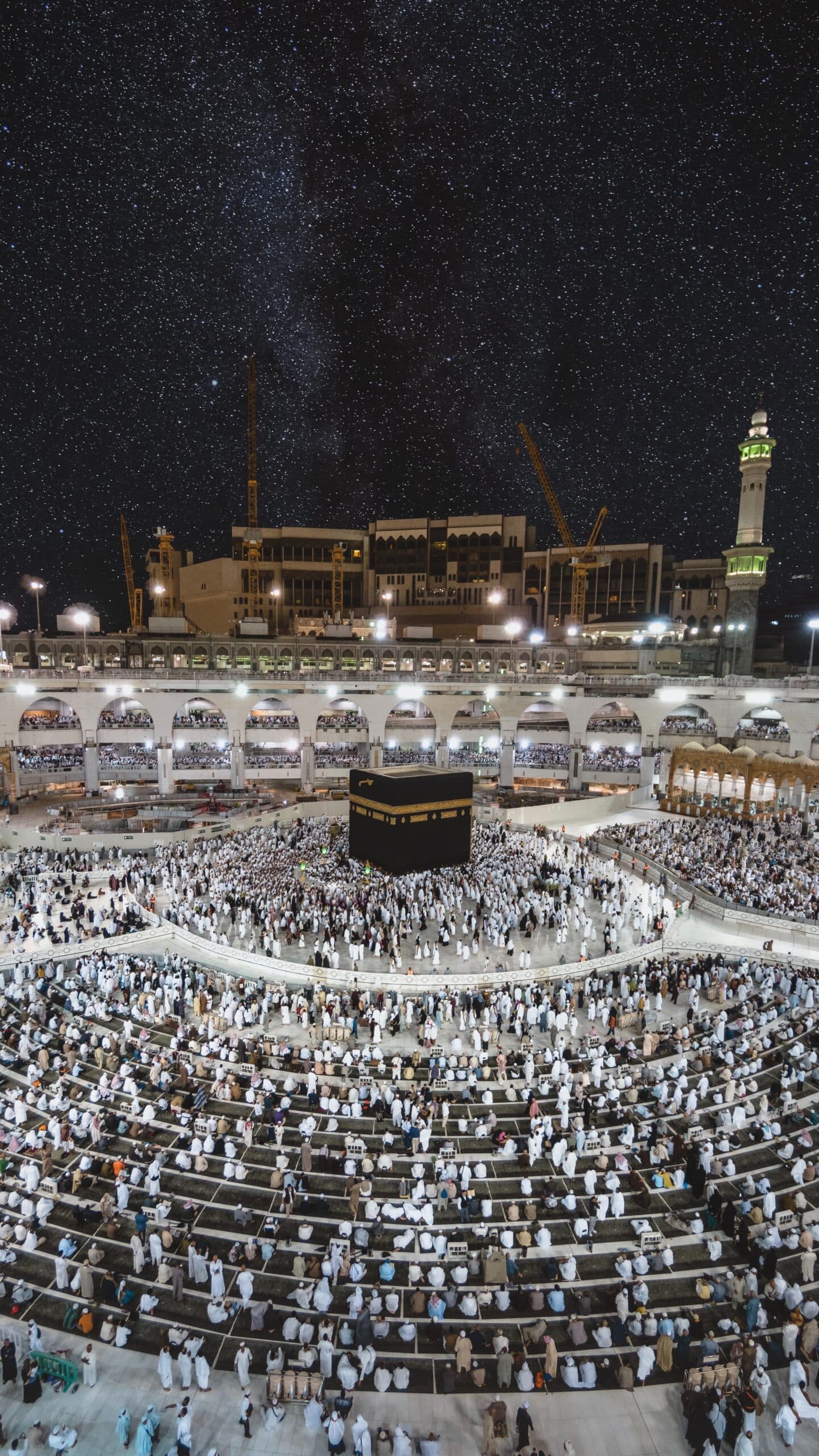
It is from Allah’s mercy that when He made the ten days of Dhul-Hijjah the best of days. He preferred remembrance during it for its ease, so that everyone who desires will receive the reward and only those who deserve deprivation will be deprived of it. Whilst we do not know which of the last 10 nights of Ramadan is the best of night, we are blessed to know the day of Arafah is the best in the year.
“The best supplication is that which is made on the day of Arafah. The best of it is what was said by myself and the prophets before me: There is no God but Allah alone, without any partners, unto Him belong the dominion and all praise and He has power over all things.” [Sunan al-Tirmidhī]
“Whoever recites this one hundred times a day will have the reward of freeing ten slaves. One hundred Hasanaat (rewards) will be written for him and one hundred misdeeds will be washed away. He will be shielded from Satan until the evening. No one will be able to present anything better than this except for someone who has recited more than this.” [Al-Bukhari 4/95, Muslim 4/2071]
Messenger of Allah (ﷺ; peace be upon him) say: 'The best of remembrance is La ilaha illallah (None has the right to be worshipped but Allah), and the best of supplication is Al-Hamdu Lillah (praise is to Allah).' [Sunan Ibn Majah]
There are 2 types of dua, i.e., the ‘invocation of need’ and the ‘invocation of worship’. Through this dua, we praise Allah, which is the dearest thing with which a person may draw close to Allah. It implies recognition of the blessings of Allah, for He is the source of all blessings and the One Who bestows them. And it includes acknowledging that all sovereignty belongs to Allah Alone, and no one else has any true dominion, which is effectively echoing the powerful words of talbiyyah that are recited by the hajis as they transition from one station to another.
May Allah (‘azza wa jal; The Possessor of Complete Glory and Majesty) grant us the full reward of the day of Arafah, accept the hajj of all pilgrims and raise us with the prophets and righteous predecessors on the plains of Arafah, ameen.
Pearls of Wisdom
"The believer sees his sins as if he is sitting at the foot of a mountain fearing that it might fall on him, while the sinner (fajir) sees his sins as a fly that lands on his nose, he just waves it away."
Abdullah b. Mas’ud(radiAllahu’anhu; may Allah be pleased with him)
Dua of the Week
—
Transliteration: "Lā ilāha illallāhu waḥdahu lā sharīka lah, lahu ‘l-mulku walahu ‘l-ḥamd, wa huwa `alā kulli shay'in qadīr."
Translation: "None has the right to be worshipped but Allah alone, Who has no partner. His is the dominion and His is the praise and He is Able to do all things."
Tags:
Share this article
The Friday Note
Islamic reminders delivered every Friday.